
Enhanced Structural Integrity
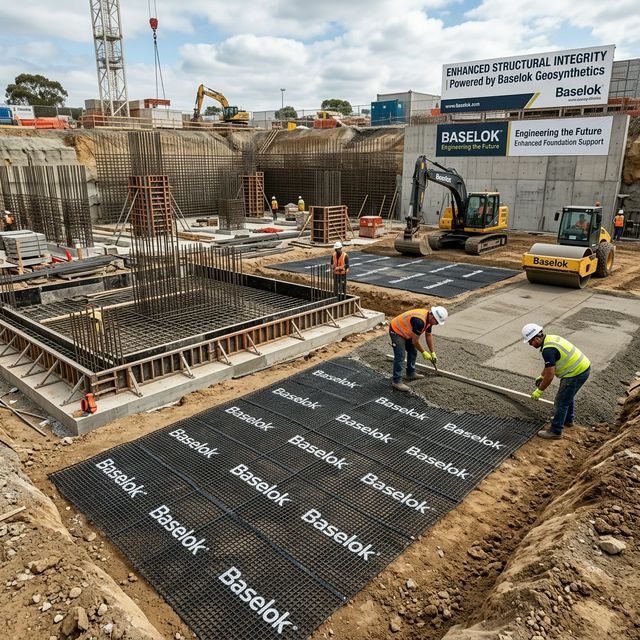
STRUCTURE & FOUNDATION "ENHANCED STRUCTURAL INTEGRITY"
Resilient foundations for long-term asset protection
Long-term performance of any structure depends on the stability of its foundation. Over decades of service, soil conditions can change due to moisture fluctuations, seismic activity, or dynamic loading. BaseLok GeoGrid and GeoCell systems provide a permanent reinforcement layer that enhances the overall structural integrity of the foundation system, ensuring it remains stable and performs as designed, even under unforeseen environmental stresses.
Building Resilience with BaseLok® Technology
Structural integrity in geotechnical engineering isn't just about meeting initial bearing capacity; it's about durability. Foundations built on variable or poor soils are susceptible to progressive degradation over time. BaseLok mechanical stabilization addresses this by creating a highly resilient composite structure.
BaseLok high-strength geogrids and geocells are manufactured from high-molecular-weight polymers that are chemically inert and resistant to biological degradation. When placed within the foundation layer, they provide a continuous reinforcement that does not lose strength over time. This permanent reinforcement layer acts as a safety "net," bridging potential subgrade failures and maintaining the structural integrity of the foundation.
Furthermore, in seismically active regions, BaseLok reinforced rafts act as a non-liquefiable crust. During a liquifaction event, the reinforced layer maintains its stiffness and bearing capacity, preventing the building from tilting or sinking excessively. This enhanced resilience protects the building's structural frame and ensures that the asset remains functional and safe for inhabitation even after significant environmental events.
Applicable Project Types
- Critical infrastructure and emergency service buildings
- Data centers and high-value industrial facilities
- Coastal developments prone to soil saturation
- Infrastructure projects
By choosing BaseLok products, designers add a layer of robust protection to their projects, significantly reducing the risk of foundation failure and lowering long-term maintenance liabilities.
Key Benefits
- Permanent, non-degradable reinforcement
- Bridge over weak and susceptible subgrades
- Enhance structural resilience
- Maintain foundation reinforcement
- Reduce risk of structural damage
Related Products
Resources
Featured Insights
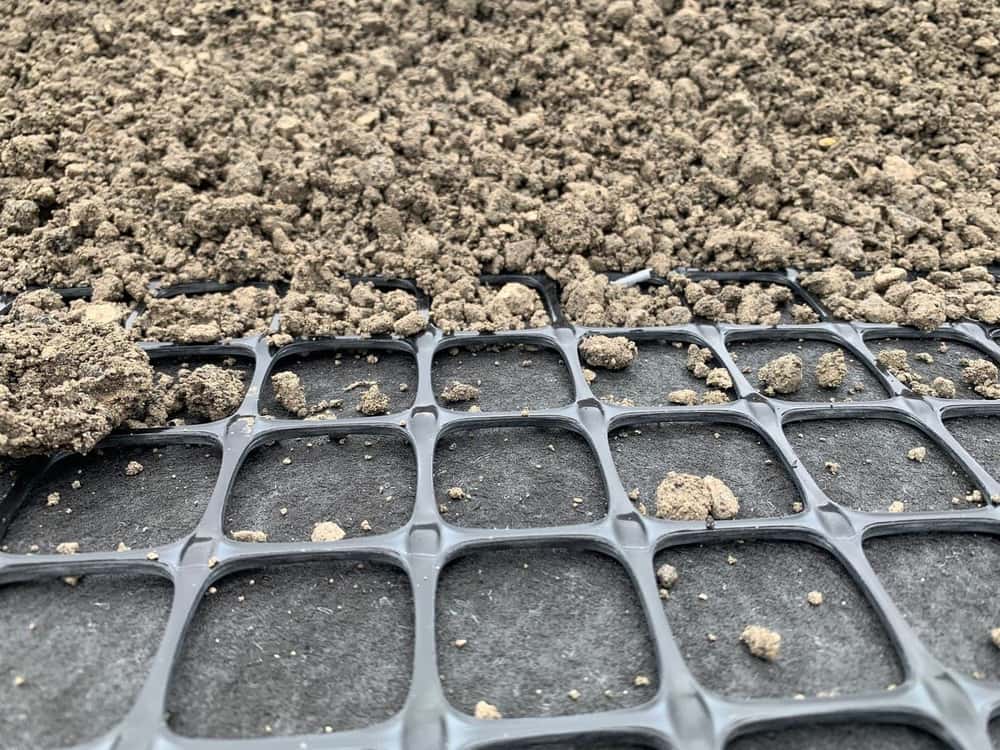
Maintaining the integrity of soil layers is critical for long-term infrastructure performance. Baselok FabGrid...
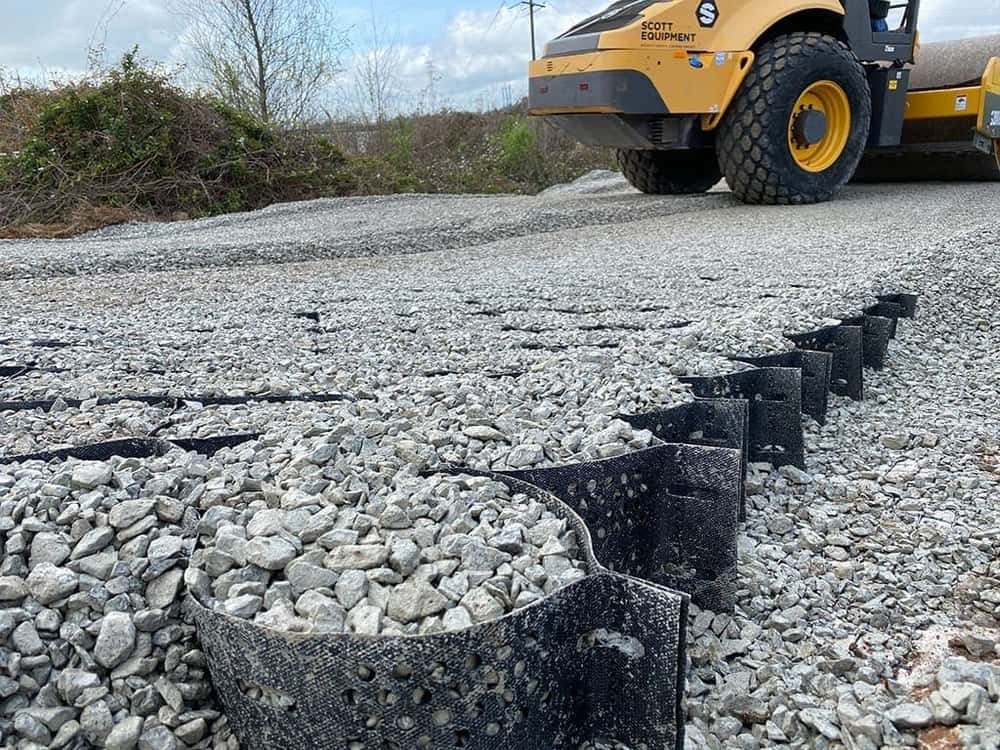
Infrastructure development in weak soil conditions requires innovative reinforcement solutions. Baselok GeoCel...
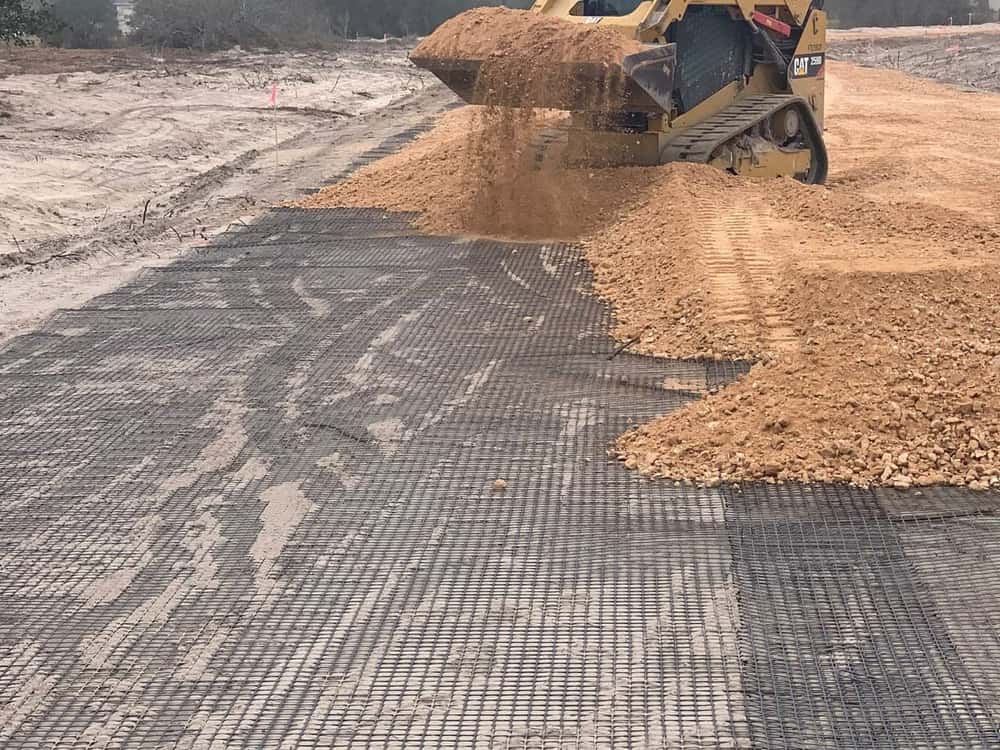
Explore how advanced geosynthetic solutions like Baselok Geogrid and FabGrid are transforming modern construct...
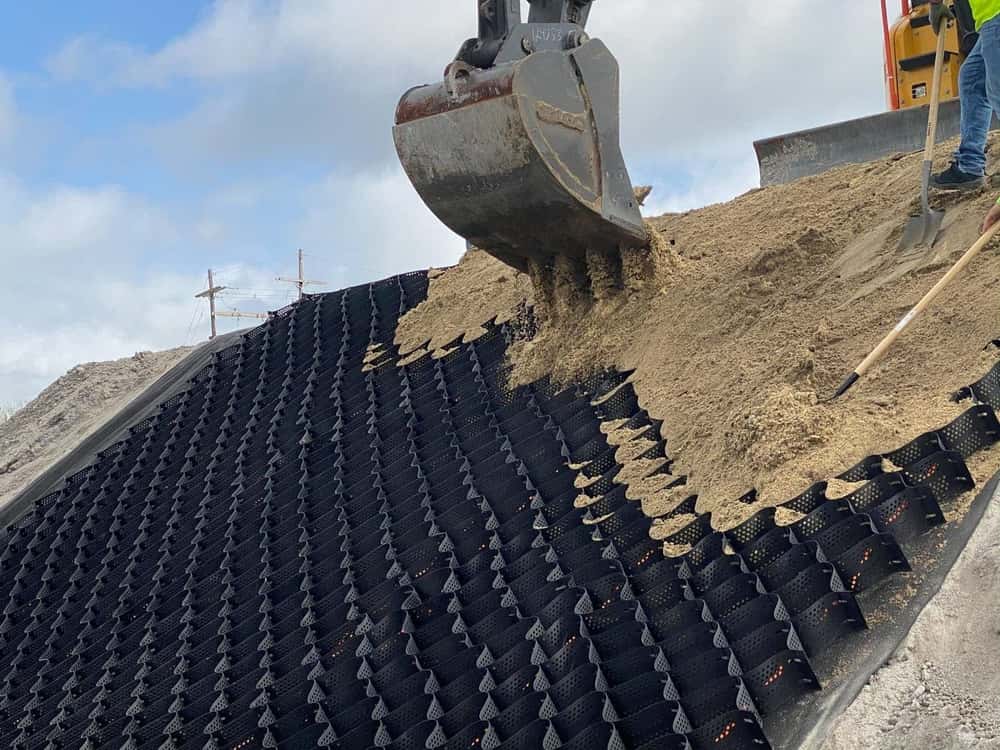
Understand how Baselok GeoCell and SiltGuard solutions help manage erosion and protect infrastructure in chall...
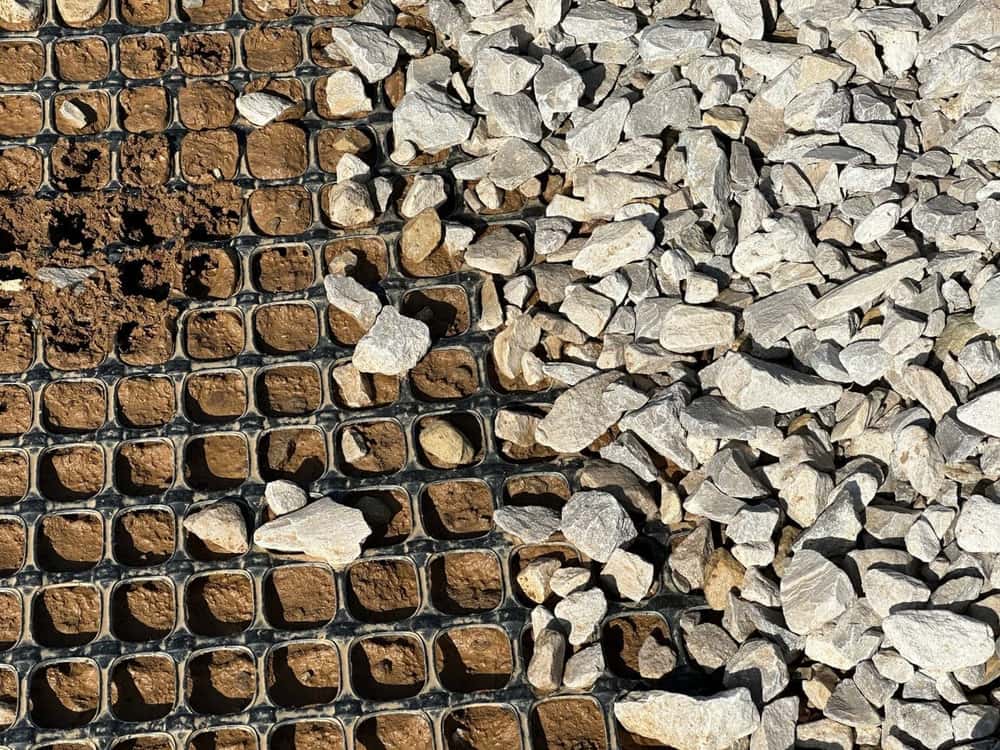
Modern infrastructure projects demand solutions that are faster, more cost-effective, and more durable than wh...